





تشيلي تعيد تأكيد رغبتها في استضافة مقر معاهدة البحار الدولية رغم التحديات البيئية والسياسية.Chile reaffirms its bid to host the High Seas Treaty headquarters amid environmental and political challenges.
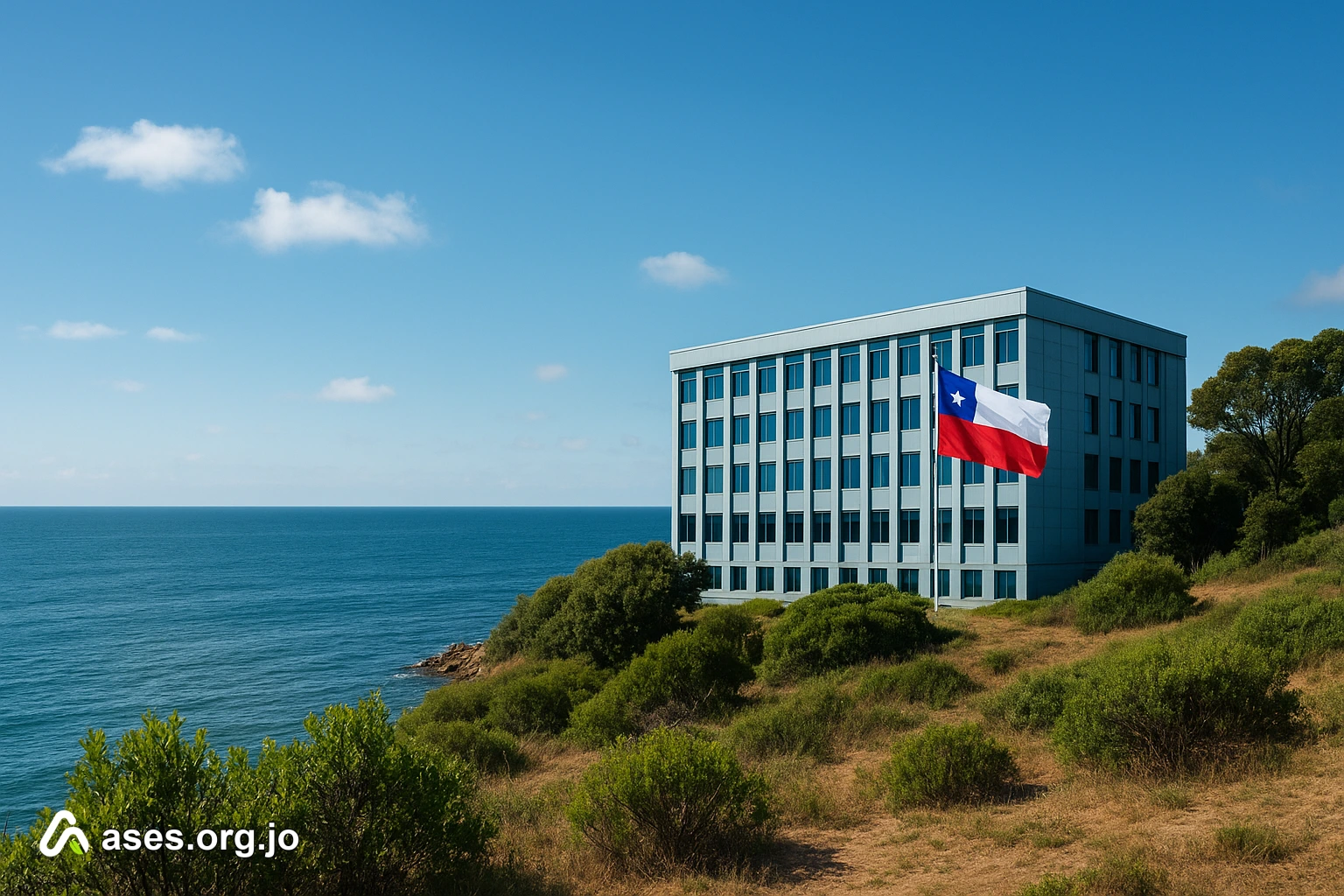
تتنافس الدول حالياً لاستضافة مقر معاهدة البحار الدولية التي تهدف إلى تعزيز حماية المحيطات المفتوحة خارج الحدود الوطنية. تشيلي، المعروفة بسجلها في حماية البيئة البحرية، جددت طلبها لاستضافة هذا المقر، رغم وجود منافسة من الصين التي تسعى أيضاً للفوز بالموقع.
تأتي هذه المنافسة في ظل تساؤلات حول سياسات الحكومة التشيلية الحالية المتعلقة بالبيئة، والتي أثارت بعض المخاوف الدولية. مع ذلك، فإن سجل تشيلي في حماية المحيطات، خاصة في المناطق البحرية الشاسعة التي تديرها، يجعلها مرشحة قوية.
المقر المقترح سيكون مركزاً مهماً لإدارة وتنفيذ الاتفاقيات الدولية المتعلقة بحماية التنوع البيولوجي في المياه الدولية، ما يساهم في حماية النظم البيئية البحرية الهشة من الاستغلال المفرط والتلوث.
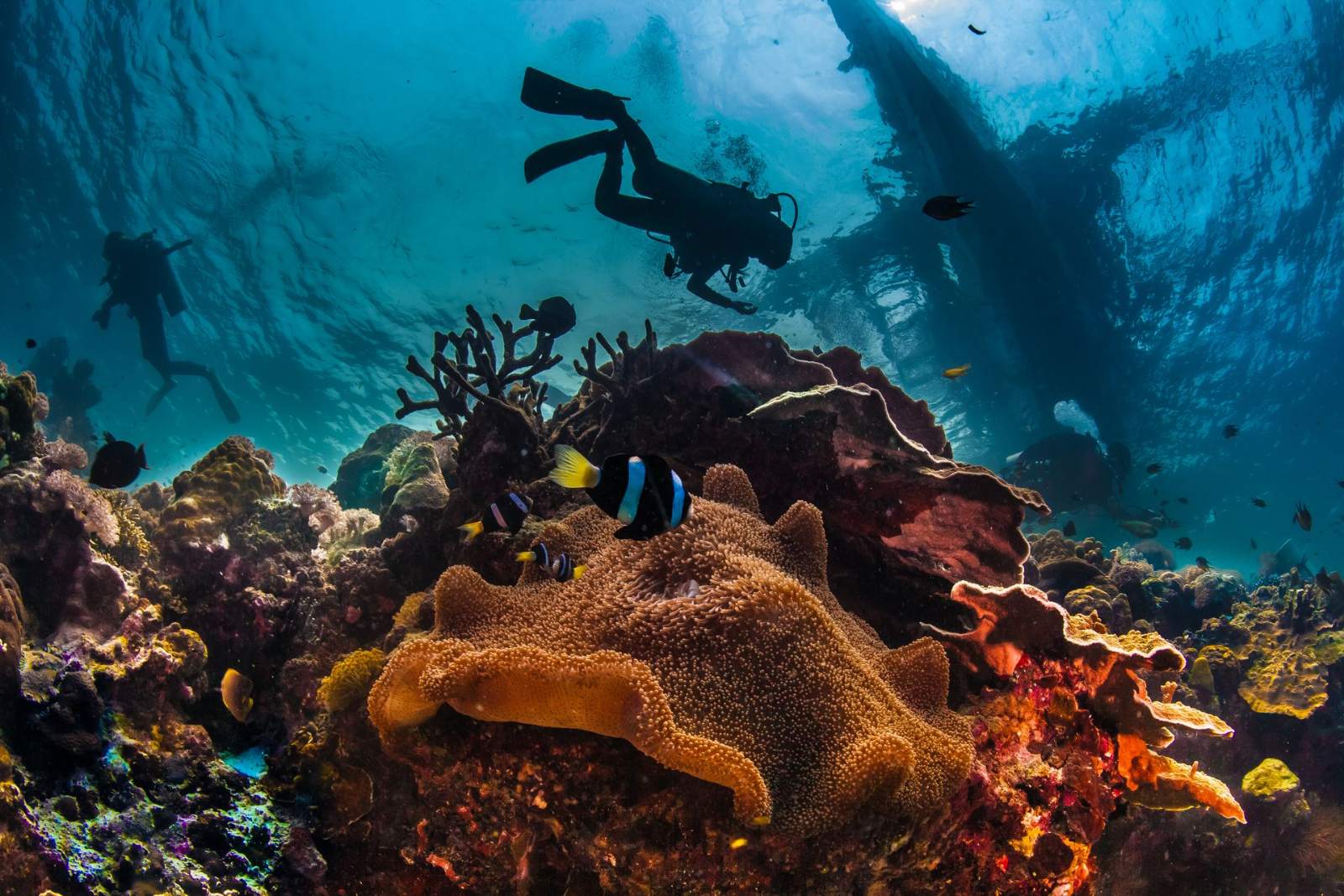
يمكن للعقبة الاستفادة من هذه المعاهدة عبر متابعة تطوراتها والمشاركة في المبادرات التي تركز على حماية البيئة البحرية، خصوصاً مع وجود الشعاب المرجانية والحياة البحرية الغنية في خليج العقبة.
يتمثل أحد الإجراءات العملية التي يمكن تطبيقها في العقبة في مراقبة جودة المياه البحرية باستخدام أدوات مثل أجهزة قياس الملوحة ودرجات الحرارة، وربطها بسجل دوري لمتابعة التغيرات البيئية. يُثبت جهاز القياس في نقطة مستقرة على عمق مناسب في البحر، ويتم تسجيل البيانات في جدول يومي. يمنع ترك الأجهزة معرضة للشمس المباشرة لفترات طويلة أو ملامسة المواد الكيميائية التي قد تؤثر على دقتها.
ماذا يعني هذا للعقبة
- اطلب من مراكز الغوص والفنادق المشاركة في تسجيل بيانات جودة المياه باستخدام أجهزة قياس مقاومة للماء.
- راجع تقارير مراقبة الشعاب المرجانية ضمن برنامج مراقبة الشعاب المرجانية لتحديد أي تغيرات بيئية.
- ثبّت أجهزة القياس في مواقع بحرية مختلفة بحيث تكون مغمورة بالماء وغير معرضة للشمس المباشرة.
- سجّل قراءات الأجهزة يومياً في دفتر مخصص أو ملف إلكتروني لمتابعة التغيرات.
- اطلب تقييم الموقع من خدماتنا لضمان تركيب الأجهزة في أماكن مناسبة تحقق أفضل نتائج مراقبة.Countries are currently competing to host the headquarters of the High Seas Treaty, aimed at enhancing protection of international ocean waters beyond national jurisdictions. Chile, known for its marine protection record, has reaffirmed its bid despite competition from China, which is also vying for the location.
This competition comes amid concerns about Chile’s current government environmental policies, which have raised some international doubts. Nonetheless, Chile’s strong track record in managing extensive marine areas makes it a strong contender.
The proposed headquarters will be a vital center for managing and implementing international agreements to protect biodiversity in international waters, helping safeguard fragile marine ecosystems from overexploitation and pollution.
Aqaba can benefit from this treaty by following its developments and engaging in initiatives focused on marine environmental protection, especially given its rich coral reefs and marine life in the Gulf of Aqaba.
One practical measure Aqaba can apply is monitoring seawater quality using tools such as salinity and temperature meters, linked to a regular recording schedule to track environmental changes. The meter is installed at a stable point at an appropriate depth in the sea, with data logged daily. Devices should not be left exposed to direct sunlight for long periods or in contact with chemicals that could affect accuracy.
What this means for Aqaba
- Request dive centers and hotels to participate in recording water quality data using waterproof meters.
- Review coral reef monitoring reports within the coral reef monitoring program to identify environmental changes.
- Install measurement devices in different marine locations where they are submerged and protected from direct sunlight.
- Log device readings daily in a dedicated notebook or electronic file to track changes.
- Request a site evaluation from our environmental services to ensure devices are installed in locations that yield the best monitoring results.
التعليقاتComments (0)
لا تعليقات بعد — كن أول من يعلّق.No comments yet — be the first.
سجّل دخولك كعضو في الموقع لتتمكّن من التعليق.Sign in as a site member to leave a comment.
تسجيل الدخولSign in حساب جديدRegister